IPM CPM Level 1


hamburger__close
A grant proposal template is a structured document framework that guides applicants through the key sections required to request funding from a grant-making body, covering the project rationale, objectives, budget, and evaluation plan. Used correctly, it ensures every proposal is coherent, evidence-based, and aligned with the funder’s priorities. For project professionals, a well-constructed template is far more than a writing aid: it is the first formal deliverable in a project lifecycle.
A grant proposal template is a reusable document structure that organises the essential components of a funding application into a logical, persuasive sequence. It provides a repeatable starting point so that project teams can focus on the quality of their content rather than the architecture of the document. Whether you are working from a grant proposal template in Word, PDF, or Doc format, the underlying structure should remain consistent and complete.
The core sections every grant proposal template must include are as follows. First, an executive summary that captures the project in brief. Second, a needs statement that establishes the problem or opportunity. Third, a set of clear project objectives. Fourth, a project plan describing methodology and activities. Fifth, a detailed budget with cost justifications. Sixth, an evaluation framework that defines how success will be measured. Seventh, information about the applicant organisation and its capacity to deliver. Together, these sections give funders the confidence that the project is both necessary and well-governed.
Most guides treat grant proposal writing as a communication exercise. Project managers understand it differently: a grant proposal is a scoping document. It defines what the project will deliver, for whom, at what cost, within what timeframe, and against what measures of success. The disciplines that make projects succeed on paper are the same disciplines that make proposals win funding.
When you approach a grant proposal through a project management lens, concepts such as stakeholder analysis, scope definition, risk identification, and SMART objectives stop being optional extras and become structural requirements. Funders are, in effect, external stakeholders evaluating whether your project will be well-governed and whether outcomes will be achieved. A proposal built on project management principles answers those questions before they are asked. This is the gap that most grant proposal templates fail to close, and it is precisely where a PM-informed approach creates a competitive advantage.
If you are developing your project management skills alongside your proposal writing capability, the IPM project proposal template guide offers a useful parallel resource covering the broader project initiation context.
Understanding each section in depth transforms a template from a checklist into a strategic planning tool. The executive summary is typically written last but read first. It must communicate the who, what, why, and how of the project in no more than one page, giving the funder immediate clarity without requiring them to read further to form a view.
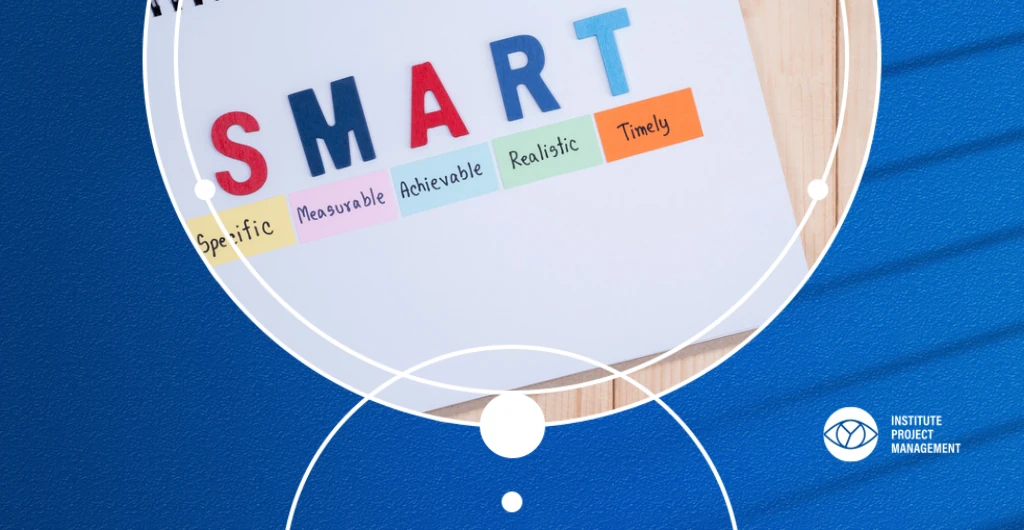
The needs statement is your evidence base. It answers the question: why does this project need to exist? Strong needs statements draw on data, research, and stakeholder insight rather than assumption. The objectives section translates that need into measurable outcomes. SMART objectives, specific, measurable, achievable, relevant, and time-bound, are the standard here, and they directly inform your evaluation framework later in the document.
The methodology or project plan section is where project management thinking becomes most visible. Activities, sequencing, responsibilities, and timelines should reflect genuine planning rather than aspiration. The budget must justify every line item and demonstrate value for money. Finally, the evaluation framework explains how the project will know it has succeeded, which funders increasingly treat as a non-negotiable component of any credible application.
If you are developing project management skills to support better proposal outcomes, the IPM Project Management Framework course provides the foundational methodology that underpins every section of a well-structured grant proposal, from scope definition to evaluation planning.
Learn core project management principles and build practical skills to support successful project delivery.

The first step is funder research. Before a word of the proposal is written, the project team should analyse the funder’s priorities, eligibility criteria, past awards, and stated outcomes. This is stakeholder analysis applied at the funding relationship level. Misalignment between your project and a funder’s strategic goals is the most common reason for rejection, and it is entirely avoidable.
The second step is to define the problem clearly. Draft your needs statement using quantitative evidence wherever possible. The third step is to write SMART objectives that connect directly to the problem you have defined. The fourth step is to build your methodology as a genuine project plan, with tasks, owners, and milestones. The fifth step is to cost everything accurately and present the budget in a format the funder expects, typically grouped by cost category.
The sixth step is to draft the evaluation framework before you finalise the objectives, since the two must align. The seventh step is to write the executive summary last, drawing the strongest elements of each section into a coherent narrative. Throughout this process, the proposal coordination checklist from IPM can help teams track progress and ensure no section is overlooked before submission.
The 5 R’s of grant writing offer a practical quality framework that maps closely onto project management thinking.
When you apply the 5 R’s as a review lens after drafting each section of your grant proposal template, you quickly identify where the proposal is strong and where it needs reinforcement. Rigour, in particular, is where project management disciplines add the most value. A proposal that demonstrates structured planning, identified risks, and a clear governance approach signals to funders that the project team knows what it is doing and has thought through the challenges, not just the ambitions.
A free grant proposal template, whether in Word, PDF, or Google Doc format, is a useful starting point, but its value depends entirely on how it is used. A blank document with section headings is not a strategy. The template becomes powerful when each section is populated with genuine project thinking: a stakeholder-informed needs statement, objectives derived from a problem analysis, a budget built from a work breakdown structure, and an evaluation plan linked to the original objectives.
The most effective free templates are those that prompt you to think, not just to write. When selecting a grant proposal template for download, look for one that includes guidance notes within each section explaining what funders expect to see, why each component matters, and how the sections connect to one another. A template that treats grant writing as project initiation will consistently outperform one that treats it as document formatting.
AI tools such as ChatGPT can play a productive supporting role in grant proposal development, but they require careful and deliberate use. The most effective application is in drafting and refining language once the substantive thinking has already been done. AI can help sharpen a needs statement, improve sentence clarity, or generate alternative framings for an executive summary. What it cannot do is define your objectives, validate your budget, or assess funder alignment on your behalf.
Project managers using AI for grant writing should treat it as a drafting assistant rather than a strategic contributor. The project management thinking that produces winning proposals- stakeholder analysis, scope definition, risk planning, measurable outcomes- must come from the project team. AI tools work best when given specific, well-structured prompts based on content you have already developed. Feeding a partially completed grant proposal template into an AI tool and asking it to strengthen particular sections is a legitimate and efficient use of the technology. Asking it to write the entire proposal from scratch, without prior PM-informed planning, is likely to produce generic output that fails to reflect the specific context, evidence, and funder priorities that make proposals competitive.
Grant proposals increasingly request evidence of project governance alongside the project plan itself. Funders want to know that the project will be overseen responsibly, that decisions will be made transparently, and that problems will be identified and addressed before they become failures. This is where project management competency provides a direct advantage to applicants who possess it.
Governance-related content in a grant proposal typically includes the organisational structure of the project team, reporting lines, decision-making authority, and review mechanisms. It may also include references to quality assurance processes, stakeholder engagement schedules, and risk registers. Project professionals who build these elements into the proposal as a matter of professional practice, rather than as additions prompted by a funder requirement, produce proposals that read as genuinely ready to deliver. For those working at a programme or multi-project level, where proposals may cover a portfolio of related activities, the skills developed through IPM-CPM Level 2® are directly relevant to structuring governance across complex funding arrangements.
Attend IPM’s Strategic Project Programme Management Diploma to gain expertise in executing programmes with strategic leadership excellence.

Writing a strong grant proposal is a project management capability, not just a writing skill. The professionals who consistently produce competitive proposals are those who bring structured thinking to the process: they define scope before drafting, they consult stakeholders before writing the needs statement, they build budgets from activity plans rather than estimates, and they design evaluation frameworks that connect directly to objectives.
These are competencies developed through project management training, not grant writing workshops alone. For professionals who want to build this foundation formally, IPM-CPM Level 1® provides the structured grounding in project management methodology that underpins every component of a well-governed proposal. Unlike certification programmes that rely on examination alone, IPM certifies professionals through applied training and assignment-based performance, meaning the skills are tested in practice, not just in theory. This learning-centric approach produces project managers who can bring genuine methodology to complex deliverables, including the grant proposals that fund the work in the first place.
Earn your Project Management Diploma & IPMA® Certification with expert-led training at IPM to confidently manage any project.
| Key Aspect | What to Know | Why It Matters |
|---|---|---|
| Executive Summary | Written last, read first. Captures the who, what, why, and how in one page. | Gives funders immediate confidence without requiring full document review. |
| Needs Statement | Evidence-based rationale for why the project must exist. | Establishes credibility and funder alignment from the outset. |
| SMART Objectives | Specific, measurable, achievable, relevant, and time-bound project goals. | Provides a clear basis for evaluation and funder accountability. |
| Budget | Line-item costs derived from the project activity plan. | Demonstrates value for money and planning rigour. |
| Evaluation Framework | Defines what will be measured, how, and against what baseline. | Satisfies funder requirements for outcomes accountability. |
| Governance Structure | Describes decision-making, oversight, and risk management arrangements. | Signals to funders that the project will be responsibly managed. |
| PM Methodology | Applies scope definition, stakeholder analysis, and risk planning to proposal development. | Produces proposals that are structured, coherent, and delivery-ready. |
A grant proposal template is most powerful when treated as a project-planning tool rather than a document to fill in. By applying project management principles, scope definition, stakeholder alignment, risk planning, and measurable evaluation to every section of the proposal, professionals produce applications that are not only well-written but genuinely ready to deliver. Building that capability formally through structured project management training is the most reliable way to sustain it across every future proposal.
Begin with funder research and stakeholder analysis before writing anything. Define the problem your project addresses using evidence, then set SMART objectives that connect to that problem. Build a realistic project plan with a fully costed budget and design an evaluation framework before drafting narrative sections. Write the executive summary last. Treating the proposal as a project planning exercise, rather than a writing exercise, consistently produces stronger results.
The five core parts of a grant proposal are the executive summary, the needs statement, the project objectives, the methodology or project plan, and the budget. Most funders also require an evaluation framework as a sixth component and organisational background as a seventh. A complete grant proposal template will include all of these sections with guidance on what each should contain and how they connect to one another.
ChatGPT can assist with drafting and refining language in a grant proposal, but it should not replace the underlying project management thinking. AI tools work best when given structured prompts based on content you have already developed: defined objectives, a completed budget, and a clear needs statement. Using AI to write a proposal from scratch, without prior planning, typically produces generic output that lacks the funder alignment and evidence base required to be competitive.
The 5 R’s of grant writing are Relevance, Reach, Results, Rigour, and Relationships. Relevance asks whether the project addresses a funder priority. Reach considers the scale of impact. Results focuses on measurable outcomes. Rigour evaluates the credibility and structure of the methodology. Relationships assesses the applicant organisation’s capacity and track record. Applied as a review framework against a completed grant proposal template, the 5 R’s help identify gaps before submission.